

Notes on the political
economy of the art world
MSG at Art Toronto, 2024
pressure
risk
intent
freedom

1. Art as a store of value
Attributed to Leonardo da Vinci
Title: Salvator Mundi (Latin for “Saviour of the World”)
Medium: Oil on walnut panel
Dimensions: 26 × 18 in
Sold for: $450.3 million USD at Christie’s, New York, in 2017 (the most expensive painting ever sold at auction)
Art can be a financial asset
When its value is built and circulated
Fine art is a market unicorn
Key points:
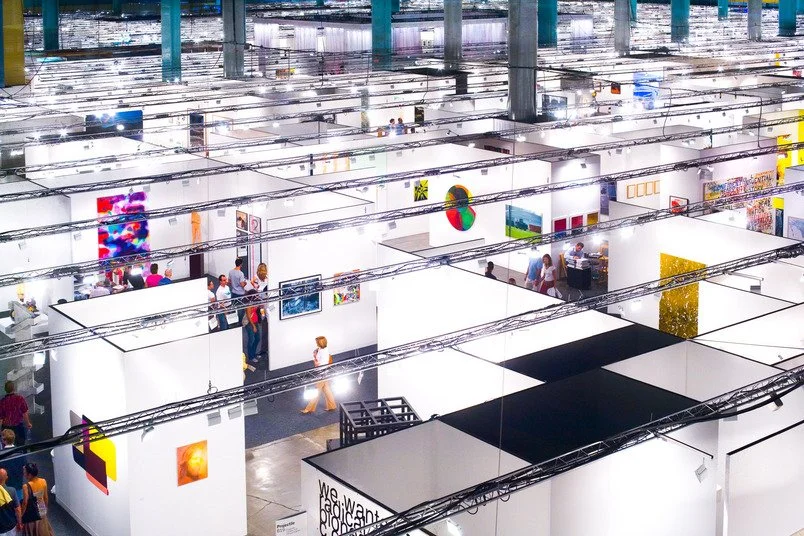
Art Basel Miami
2. The art market
The global art market is estimated at US $58 billion in 2024.
The global home decor market is estimated at $748 billion in 2024.
The global video gaming market is estimated at $188 billion in 2024.
The global luxury watches market is estimated at $54 billion in 2024.
Art is a specialised market
occupying a modest slice of the global economy
Key point:
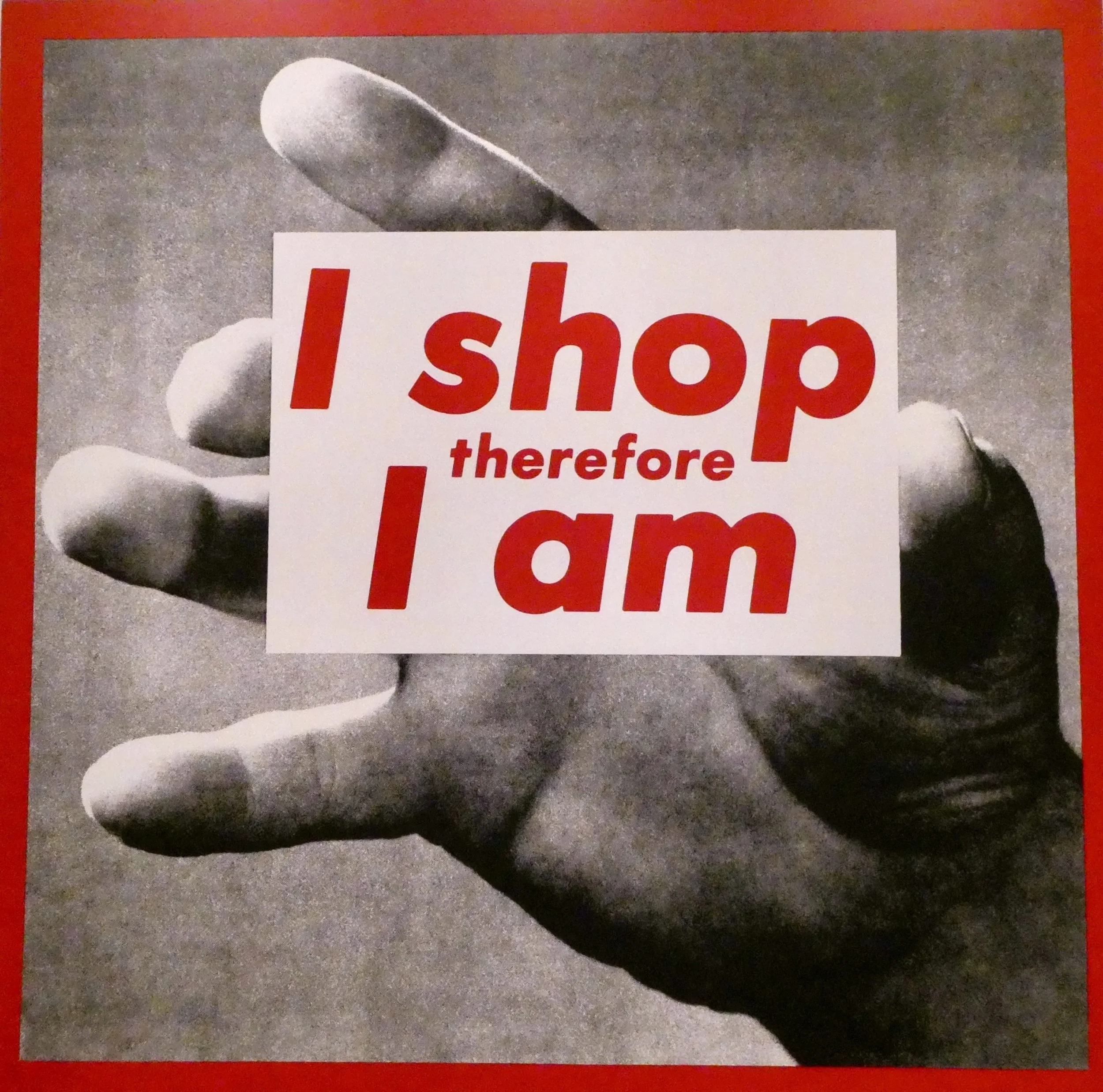
Barbara Kruger
3. Artists as economic actors
In the U.S., the median annual wage for craft and fine artists (painters, sculptors, illustrators) was US $60,560 in May 2024.
In Canada, median personal income for artists (from all sources) was about CA $30,200 in 2020.
In Montréal specifically, artists had a median employment income of CA $17,400 in 2020.
Artists are part of the broader economy
Artists are in a precarious labour category
Artists require flexibility
Key points:
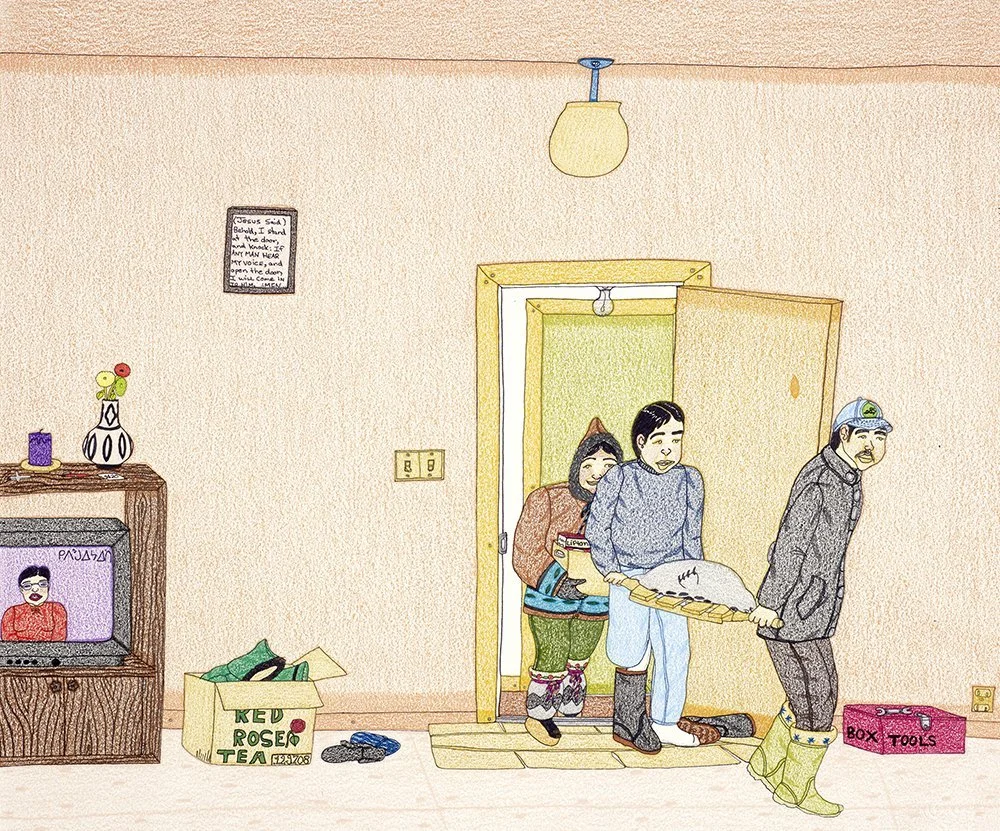
Annie Pootoogook
Over half of Canadian artists earn under $40,000 a year, and their income can swing dramatically.
Artists often piece together multiple jobs to stay afloat.
Nearly 60% earn less than half of their income from art.
About 2/3 of artists are self-employed.
4. The Canadian art economy
Key point:
Canadian artists have agency, but within an ecosystem of grant applications, part-time jobs, and small-scale markets.
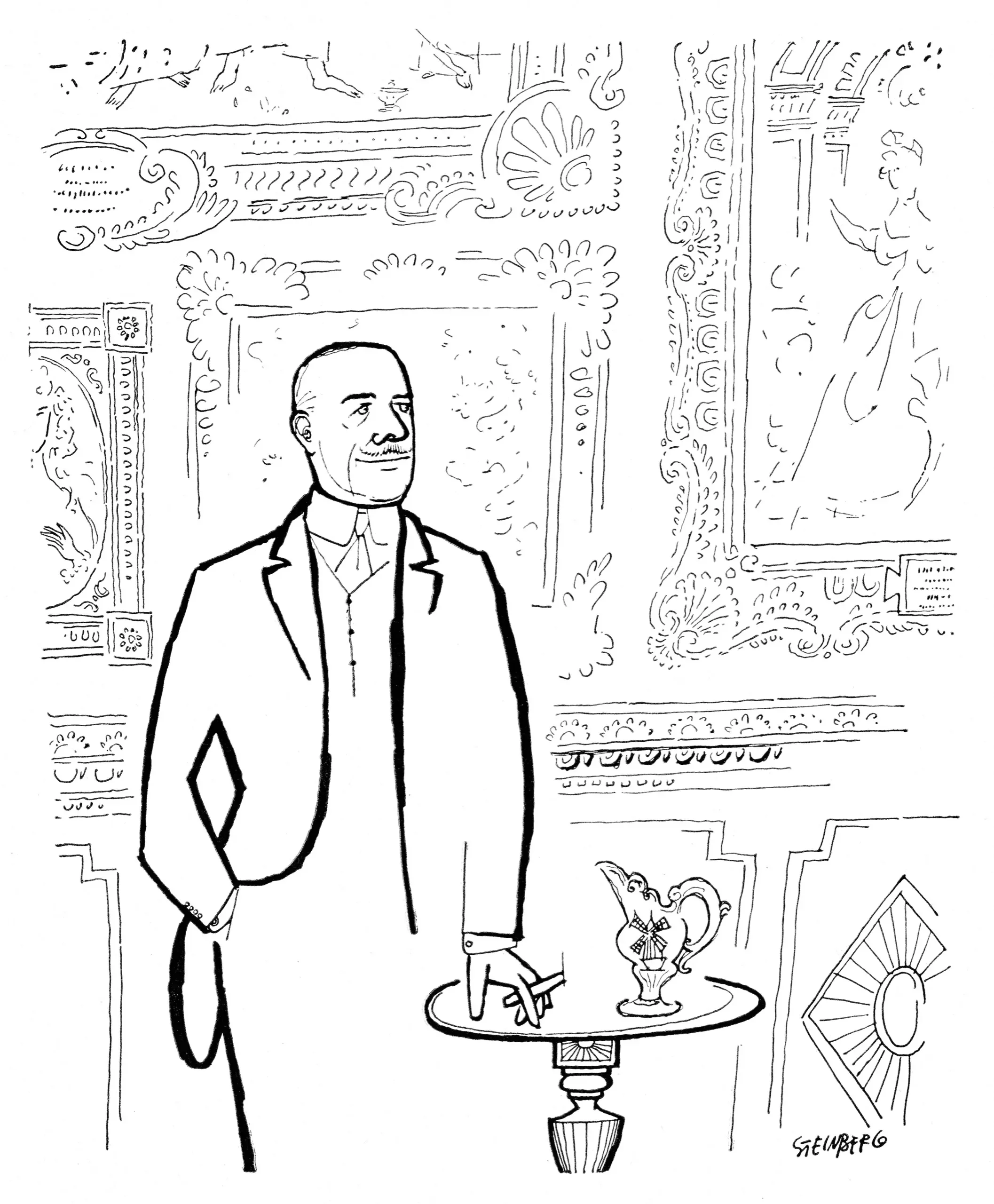
Dealers provide access to buyer networks, art fairs, online platforms, and wider collector bases.
Dealers manage many of the business functions: pricing, logistics, shipping, contracts, marketing and sometimes secondary-market activity. They also absorb market risk (inventory, unsold work, downturns).
Dealers are increasingly using online channels: in 2024, online sales made up 22% of dealer sales (up significantly from pre-pandemic).
The relationship is collaborative but asymmetrical
Key points:
Dealers are small businesses, and so are artists
Make things easier for your dealer

Ed Ruscha
pressure
risk
intent
freedom